About Scoliosis
Scoliosis is an abnormal lateral curvature of the spine. Understanding it fully is the first step toward effective treatment.
What is Scoliosis?
Scoliosis is a sideways curvature of the spine that most often occurs during the growth spurt just before puberty. While scoliosis can be caused by conditions such as cerebral palsy and muscular dystrophy, the cause of most scoliosis is unknown.
Most cases of scoliosis are mild, but some children develop spine deformities that continue to get more severe as they grow. Severe scoliosis can be disabling. An especially severe spinal curve can reduce the amount of space within the chest, making it difficult for the lungs to function properly.
At Rhino Scoliosis Center, we believe that the standard medical approach of "watch and wait" until a curve reaches 25 degrees is a missed opportunity. Proactive treatment — as soon as scoliosis is discovered — consistently delivers better outcomes.
Who Can Get Scoliosis?
- Children and adolescents undergoing growth spurts
- Adults experiencing degenerative spine changes
- Seniors — some of RSC's best results come from older patients
- Those with severe curves up to 143 degrees — RSC has treated them all
Normal Spine vs. Scoliotic Spine
Your spine is built from 24 individual, movable vertebrae — stacked straight when healthy.
The Normal Spine
- Straight from behind. Each vertebra sits squarely on the one below it — shoulders, rib cage, and hips stay level.
- Curves only front-to-back. The healthy spine has gentle inward and outward curves you can see from the side — never sideways.
- Even muscle load. Weight travels straight down the column, so muscles on both sides work equally.
The Spine With Scoliosis
- Sideways curve. The column bends into a C or S shape. A sideways curve of 10° or more — measured as the Cobb angle on an X-ray — is scoliosis.
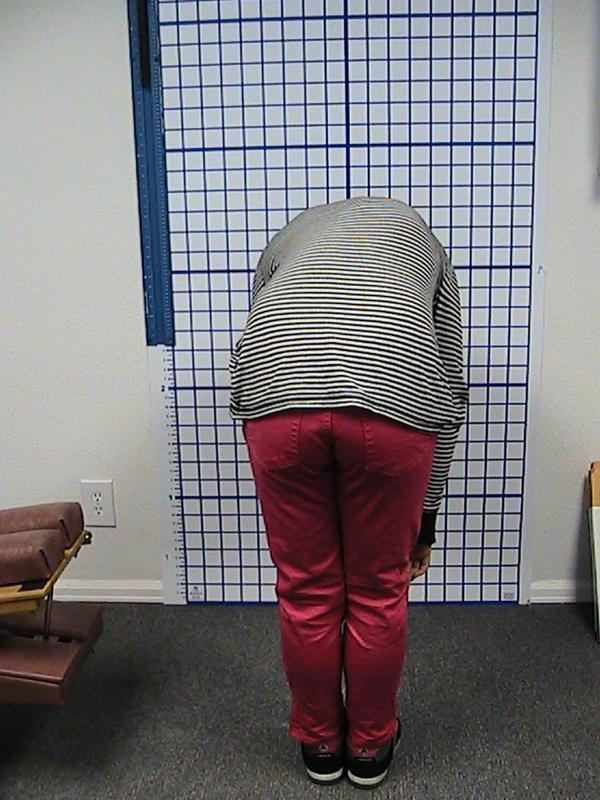
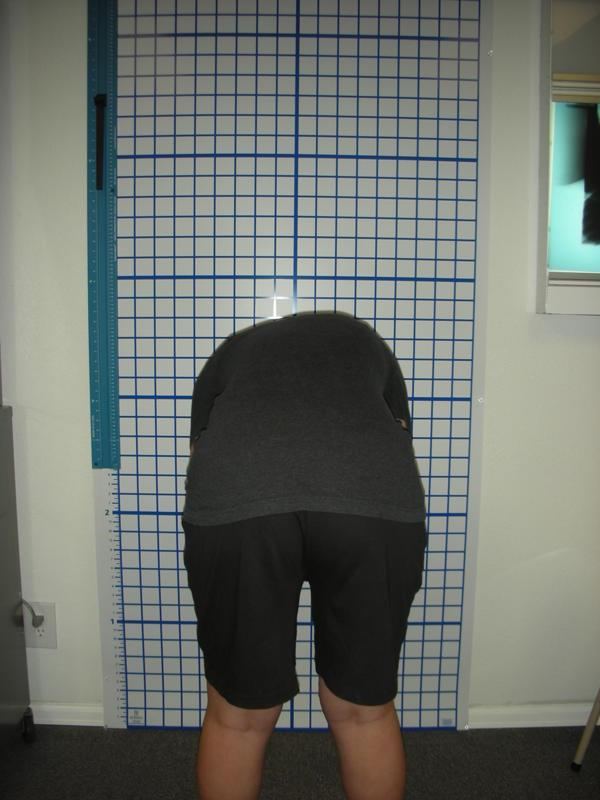
- Rotation, not just bending. The vertebrae also twist — pushing ribs backward on one side and creating the telltale rib hump seen in the Adam's Test.
- Uneven load. Muscles fight the curve unevenly — that's why one shoulder rides high and the pelvis shifts, the very signs in our posture check.
The good news: because scoliosis is a curve of these individual, movable segments — not a fused solid — it can be treated segment by segment. That's exactly what the RSR™ protocol does, with no back bracing and no surgery.
The Scoliosis Posture Check
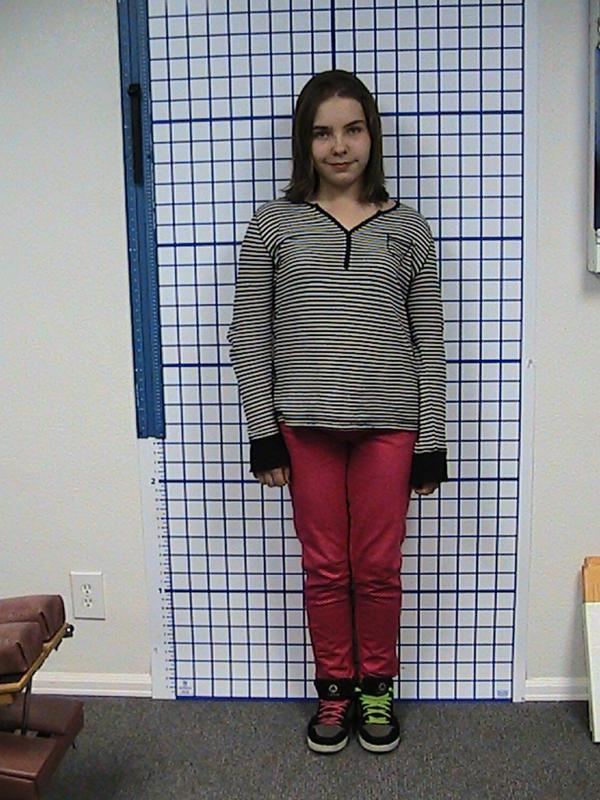
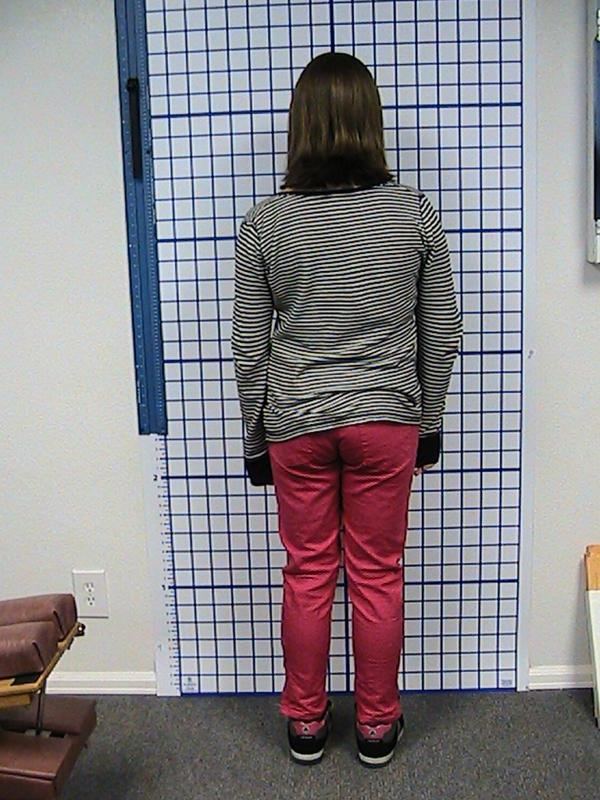
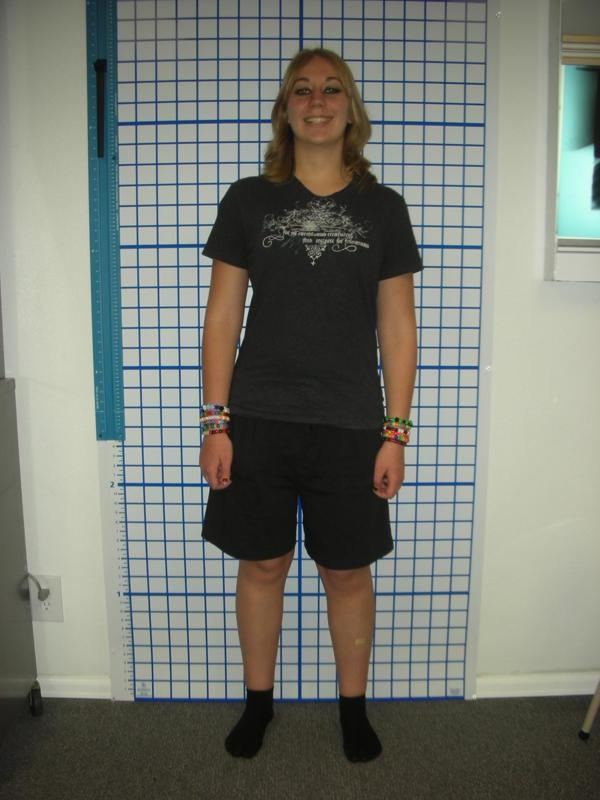
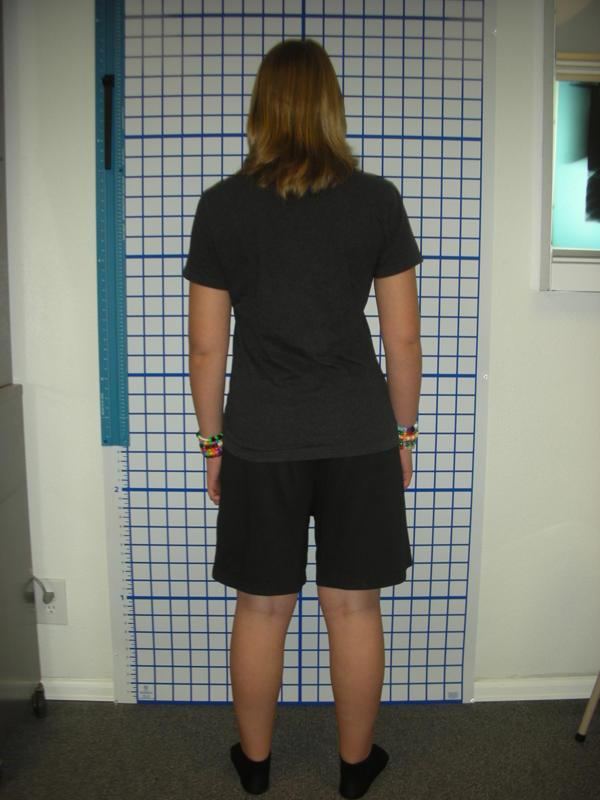
Routinely check young people for postural distortions — especially during periods of rapid growth. These are the eight signs of the typical posture presentation (be alert for atypical!). X-rays are the definitive diagnostic tool for scoliosis.
Right Head Tilt
The head leans slightly to the right instead of sitting level.
Librarian Pose
Head pushed forward and tilted down — as if looking over glasses.
Right High Shoulder
One shoulder (typically the right) rides visibly higher than the other.
Right Anterior Hip
One hip rotates forward relative to the other.
Uneven “Arm Holes”
The gaps between the arms and the torso are different sizes side to side.
Adam's Test: Rib Hump
Bending forward reveals a hump on one side of the rib cage.
Quadratus Lumborum Hypertrophy
Overdeveloped low-back muscle on one side (typically the left).
Pelvis Shifted Right
The pelvis sits shifted to one side rather than centered.
No Curve Is Too Small for Early Intervention!
If you notice any of these signs in your child, don't wait for the curve to grow. Download our free posture check guide, or contact us for an evaluation.
Scheuermann's Disease
Scheuermann's disease is a condition where the normal curvature of the thoracic (upper) spine is excessively increased, resulting in a rounded or "hunchback" appearance. It typically develops during adolescence and can cause back pain, stiffness, and postural issues.
Dr. Leavell has focused specifically on developing effective, non-surgical treatment alternatives for Scheuermann's disease. Her proprietary protocol has helped many patients avoid surgery and bracing while achieving meaningful improvement in their spinal curvature and quality of life.
What You Need to Know
Curves Grow Over Time
Adult curves can grow at a rate of 1–2 degrees per year. Curves frequently progress rapidly through puberty — making early treatment critical.
Affects Quality of Life
Scoliosis places detrimental stress on the central nervous system, heart, and lungs. Untreated, this burden grows as the curve progresses.
68% Chance of Progression
Research shows a 68% chance of progression if a Cobb angle is 25 degrees or more at age 18, versus only 8% if the curve is less than 25 degrees.
Surgery Is Not a Cure
Research has shown that the function of the heart and lungs is unchanged after spinal implantation surgery. The long-term effects can actually be worse than untreated scoliosis.
Why We Don't Recommend Bracing or Surgery
✕Bracing
The best outcome bracing can offer is stabilization — keeping the curve where it is. It cannot reduce the curvature.
In a study published in the American Journal of Orthopedics, 60% of bracing patients felt it had handicapped their life. Bracing requires compliance of up to 23 hours a day. RSC believes the drawbacks far outweigh the limited benefits.
✕Spinal Rod Surgery
Research shows heart and lung function is unchanged after spinal implantation surgery. It also reduces the spinal motion necessary for proper functioning of the spine and nervous system.
Surgery generally will not correct a "curved back" or "rib hump." Long-term risks include secondary infections, body toxicity from rod corrosion, and additional surgeries for rod breakage.
What Patients Say About Scoliosis Treatment
"At the start I was nervous and did not know what to expect, but after a few days of coming in, I quickly got the hang of it. At the end of my treatment series I was shocked by how much my curve had reduced!"
— Skylar
"An orthopedic 'expert' told us there was nothing you could do. Rhino proved that wrong — completely."
— Brian (Skylar's Dad)
Related Topics
Google Reviews
4.0on Google (12 reviews)"I’ve been attending Dr. Jane’s office since I was a kid, now as an adult I still go regularly to Dr. Jane for treatment of my scoliosis. Over the years she has provided compassionate and extremely in depth care! Despite my struggles with the severity of my scoliosis due to my growth spurts, the…"
Read on GoogleRose
Google review"Dr. Jane is amazing. I had a small scoliosis (less than 15 degrees) but it was giving me significant issues breathing. I had gone through a few other treatments from other providers with mixed success before seeing Dr. Jane. Due to the location of my scoliosis (upper thoracic) it's very difficult…"
Read on GoogleJames Rudd
Google review"My daughter's curve went from 38 degrees down to 18 degrees after being treated by Dr. Jane. My daughter was wearing a horrific Charleston brace, shoe inserts, and was on course for back surgery - metal rod in her back. We tried Dr. Jane, and it was the best thing we've ever done for our…"
Read on GoogleJanet Nordlie
Google reviewDon't Wait — Start Treatment Early
The earlier treatment begins, the better the results. Contact RSC today to discuss your options.
Contact Us